
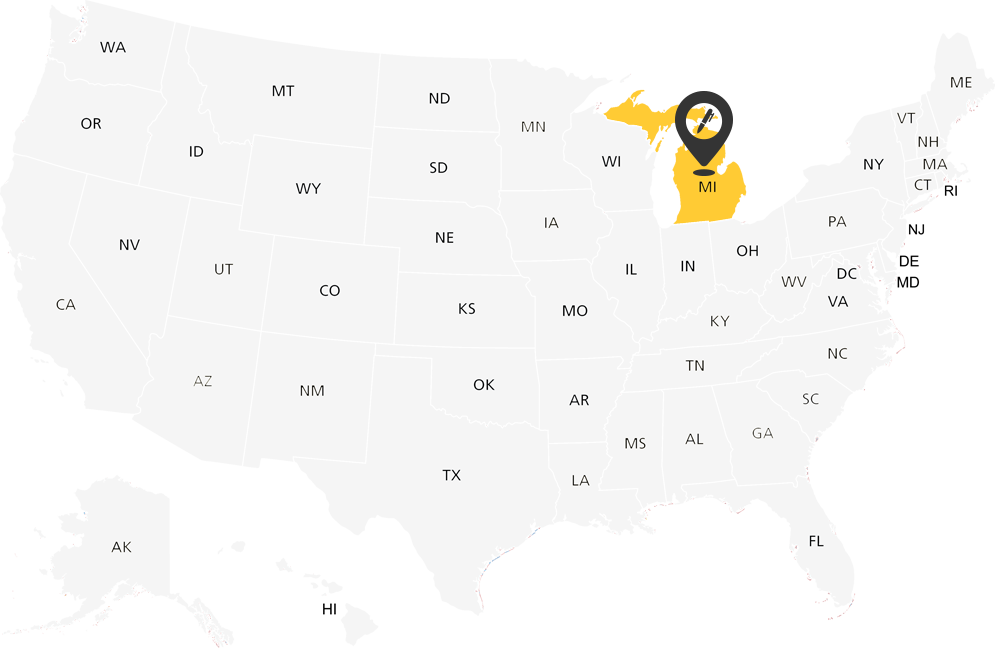
Michigan notary requirements
Responsible office: Michigan Department of State, Office of the Great Seal.
State authorization and ONC account setup are separate. The guidance below covers the named requirements; use the linked official instructions for your application and the particular notarial act.
Maintain the underlying commission
Complete the current commission process and applicable county bond filing and oath. Michigan-licensed attorneys have the stated bond exception. Use the expiration issued by the Department, not the date printed on a surety bond.
Use approved remote technology
Only state-approved remote platforms may be used. Follow the Department’s electronic/remote notification process for the chosen system and confirm your technology information before acting. ONC is named in the state’s approved-vendor document.
Keep the journal and recording
Retain the remote journal for at least ten years after its last entry and the audio/visual record for at least ten years after the act. Notify the Secretary of the journal location when no longer commissioned. Plan custody and access before changing providers or closing an account.
Location, documents and acceptance
Use Michigan’s remote-notarization and identification rules and the approved system for the act. Confirm the notary’s location, signer eligibility, document requirements and recipient acceptance.
A signer’s residence does not by itself determine a notary’s authority. An eligible out-of-state notary’s service is a separate question from a locally commissioned notary’s authority. Ask the document recipient about acceptance, witnesses, originals and recording requirements before scheduling.